
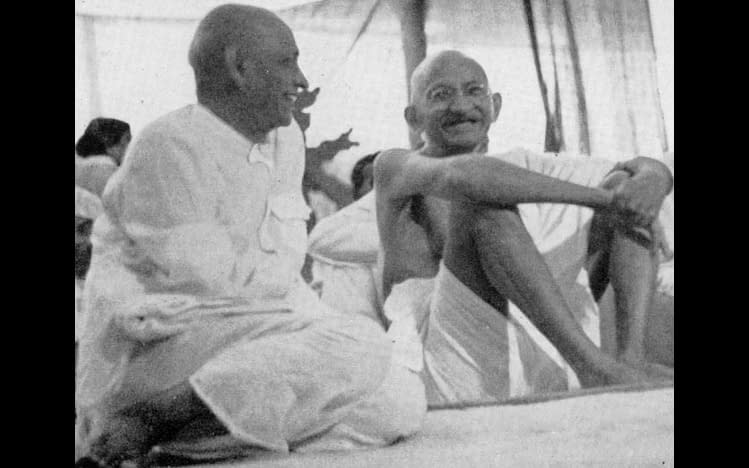
Gandhi was quickly exposed to the racial discrimination practiced in South Africa. In a Durban court he was asked by the European magistrate to take off his turban; he refused and left the courtroom. A few days later, while traveling to Pretoria, he was unceremoniously thrown out of a first-class railway compartment and left shivering and brooding at the rail statiin Pietermaritzburg. In the further course of that journey, he was beaten up by the white driver of a stagecoach because he would not travel on the footboard to make room for a European passenger, and finally he was barred from hotels reserved “for Europeans only.” Those humiliations were the daily lot of Indian traders and labourers in Natal, who had learned to pocket them with the same resignation with which they pocketed their meagre earnings. What was new was not Gandhi’s experience but his reaction. He had so far not been conspicuous for self-assertion or aggressiveness. But something happened to him as he smarted under the insults heaped upon him. In retrospect the journey from Durban to Pretoria struck him as one of the most-creative experiences of his life; it was his moment of truth. Henceforth he would not accept injustice as part of the natural or unnatural order in South Africa; he would defend his dignity as an Indian and as a man.

No comments:
Post a Comment